

In the modern marketplace, commerce is driven by an underlying emotional currency, as people ultimately buy from the brands they truly trust. This bond goes far beyond mere product features or clever marketing campaigns, serving as the foundational bedrock of consumer loyalty and business sustainability. When a company successfully establishes this connection, it gains a competitive edge that is incredibly difficult for competitors to replicate.
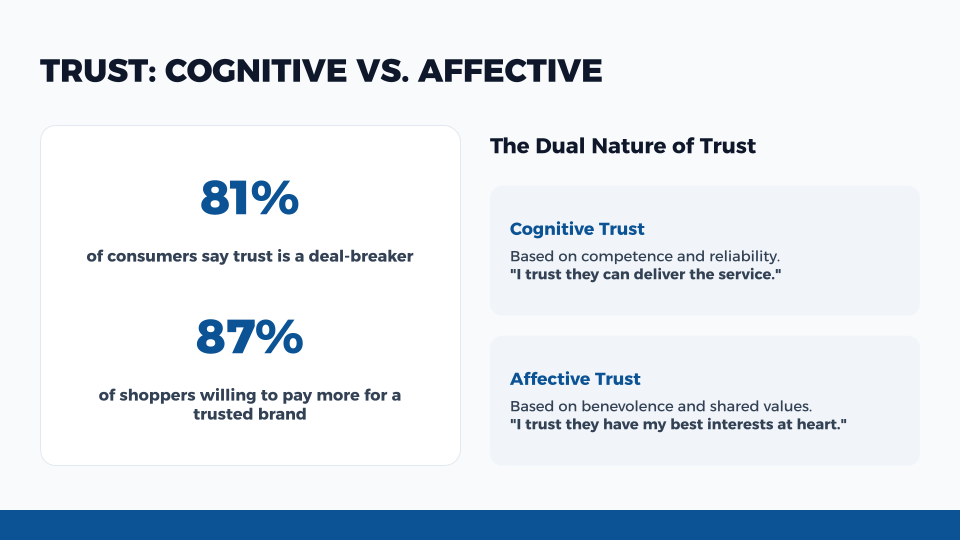
The quantifiable power of this consumer confidence is staggering, with a massive 81% of consumers stating that trust is an absolute deal-breaker in their purchasing decisions. Furthermore, this sentiment translates directly to the bottom line, as 87% of shoppers express a willingness to pay a premium price for a brand they genuinely trust. This willingness to pay more proves that trust is not a vague corporate buzzword, but a tangible financial asset that shields profit margins and justifies premium positioning.
However, this invaluable asset is incredibly fragile, leading to the ultimate business reality that brand trust is painstakingly built over years, yet can be completely broken in mere seconds. A company can spend decades cultivating a flawless reputation, investing millions in community relations, quality control, and customer service, only to watch it vanish in an instant due to a single misstep. A poorly handled executive comment, a product defect, or an ethical lapse can ignite a firestorm that dismantles a legacy overnight.
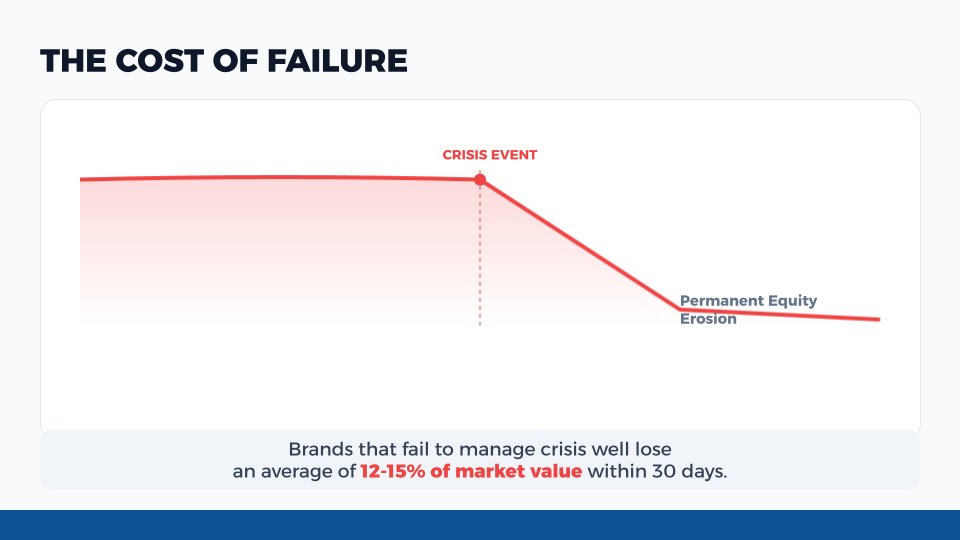
When such a breakdown occurs, the financial consequences are immediate and devastating. Statistically, brands that fail to manage a crisis well lose an average of 12% to 15% of their total market value within just 30 days. This rapid destruction of shareholder value highlights how quickly investors and the public panic when a company appears rudderless, proving that a mishandled crisis is one of the fastest ways to destroy capital.
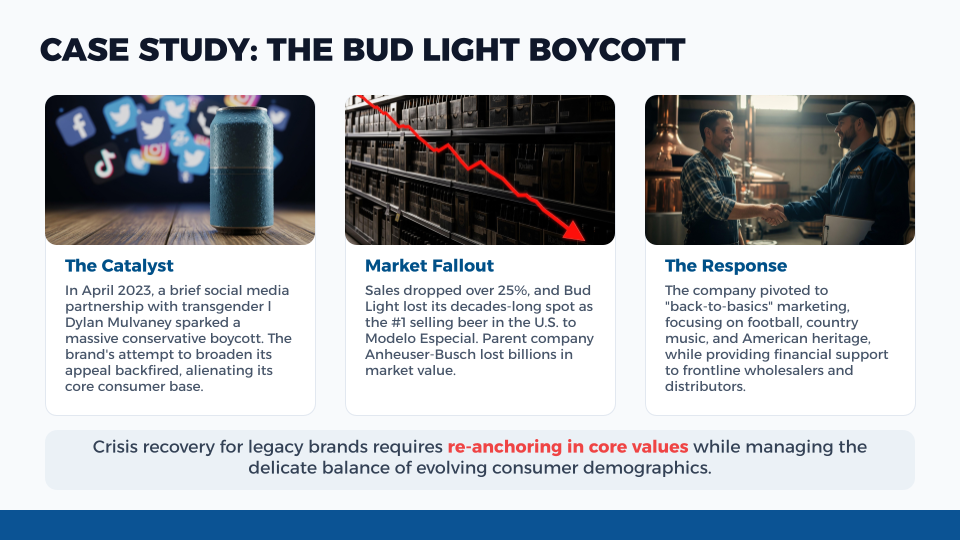
A prime example of this vulnerability is the recent Bud Light boycott, which serves as a stark case study in rapid reputation erosion. Following a controversial marketing promotion that alienated a core segment of its consumer base, the brand faced an unprecedented backlash. Consequently, sales plummeted by over 25% percent, and Bud Light lost its decades-long spot as the number one selling beer in the United States, illustrating how a failure to understand and manage consumer sentiment can permanently alter market leadership.
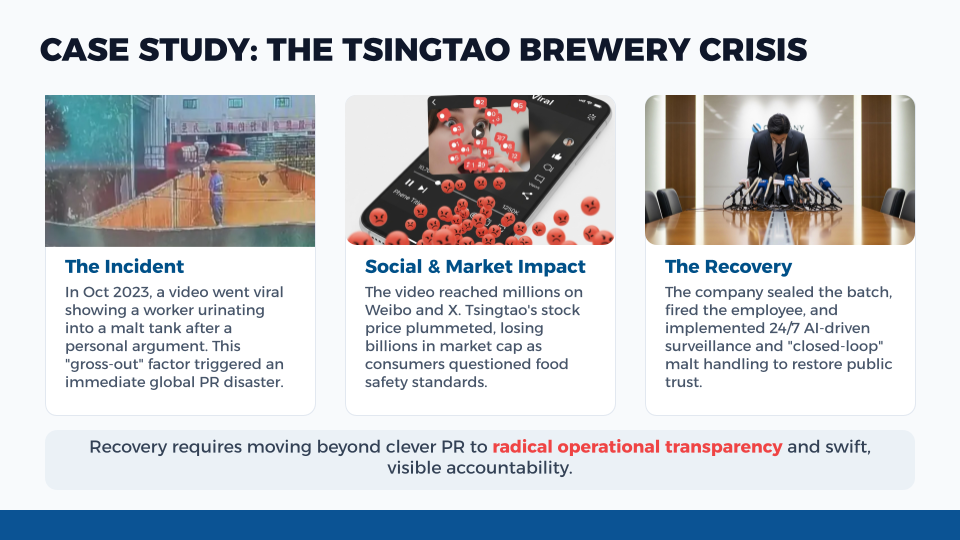
Similarly, international markets offer equally severe warnings, notably highlighted by the Tsingtao Brewery crisis. In October 2023, a video went viral on global social media platforms showing a worker urinating into a malt tank following a heated personal argument. The grotesque nature of the footage caused immediate public outrage, showing how an isolated internal dispute can instantly escalate into an international PR nightmare that threatens global distribution and consumer safety perceptions.
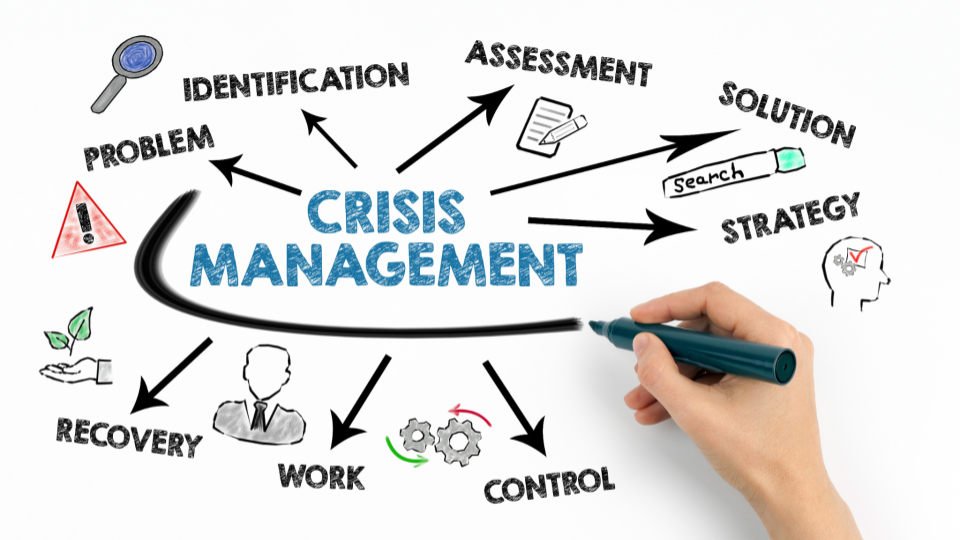
To prevent such catastrophic downfalls, organizations must recognize that effective crisis management is a complex synergy of efforts rather than a series of isolated reactions. It requires the seamless alignment of operational protocols, legal guardrails, executive leadership, and internal communications. When a crisis strikes, every moving part of the organization must operate in perfect harmony to ensure the response is swift, transparent, authoritative, and capable of restoring public confidence.
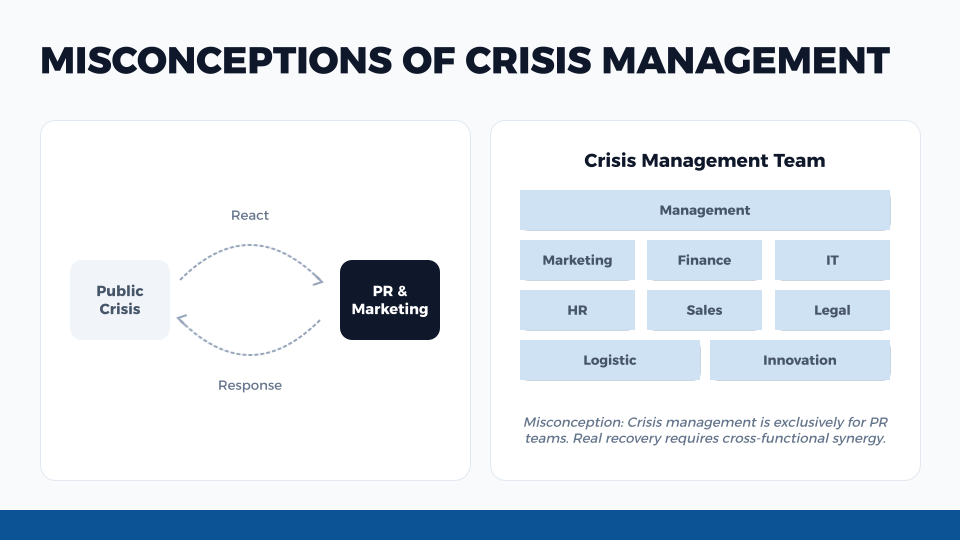
Therefore, true crisis management cannot simply be relegated to a single department, as it is not just about being handled by public relations or marketing teams, but is fundamentally a whole-company decision. While PR professionals can craft the messaging, the operational reality of fixing the root cause requires the cooperation of legal, human resources, supply chain, and executive leadership. Every single department plays a role in either mitigating the threat or exacerbating the damage, making crisis readiness a cultural requirement rather than an administrative task.
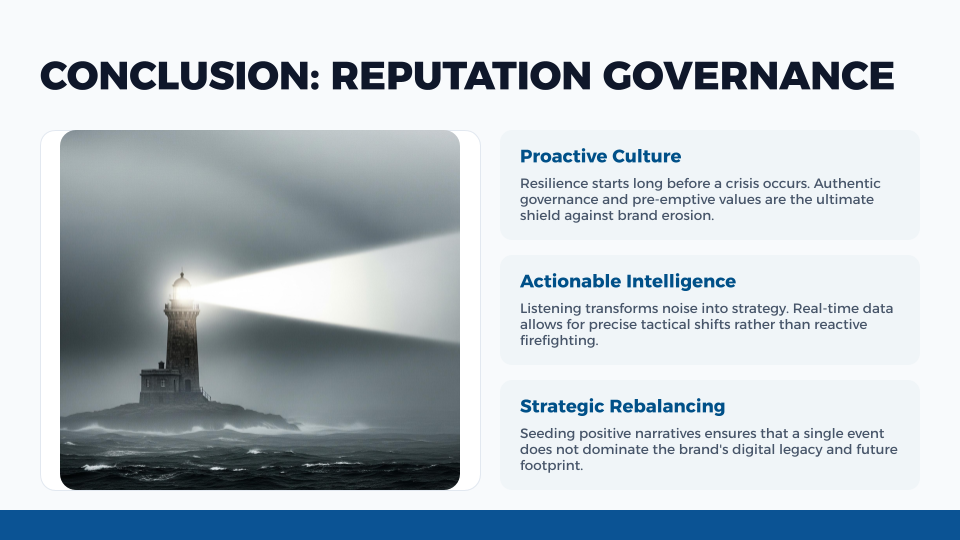
In conclusion, the survival of a modern business depends entirely on its ability to protect the sacred trust it shares with its audience. Because reputation is both a company’s most valuable asset and its most vulnerable liability, crisis management must be treated as a core strategic priority. By understanding that trust takes decades to earn but only a moment to lose, companies can foster a holistic, organization-wide resilience that safeguards both their market value and their legacy for the long term.