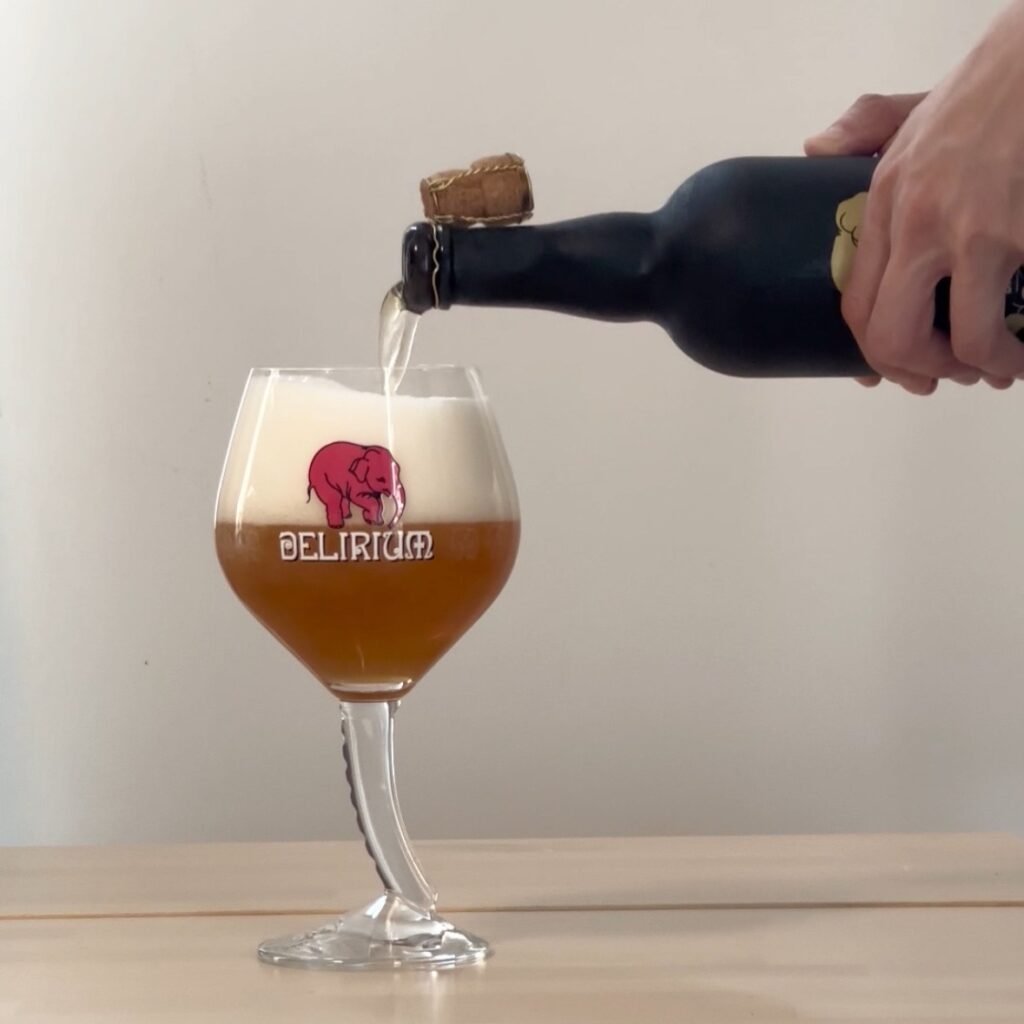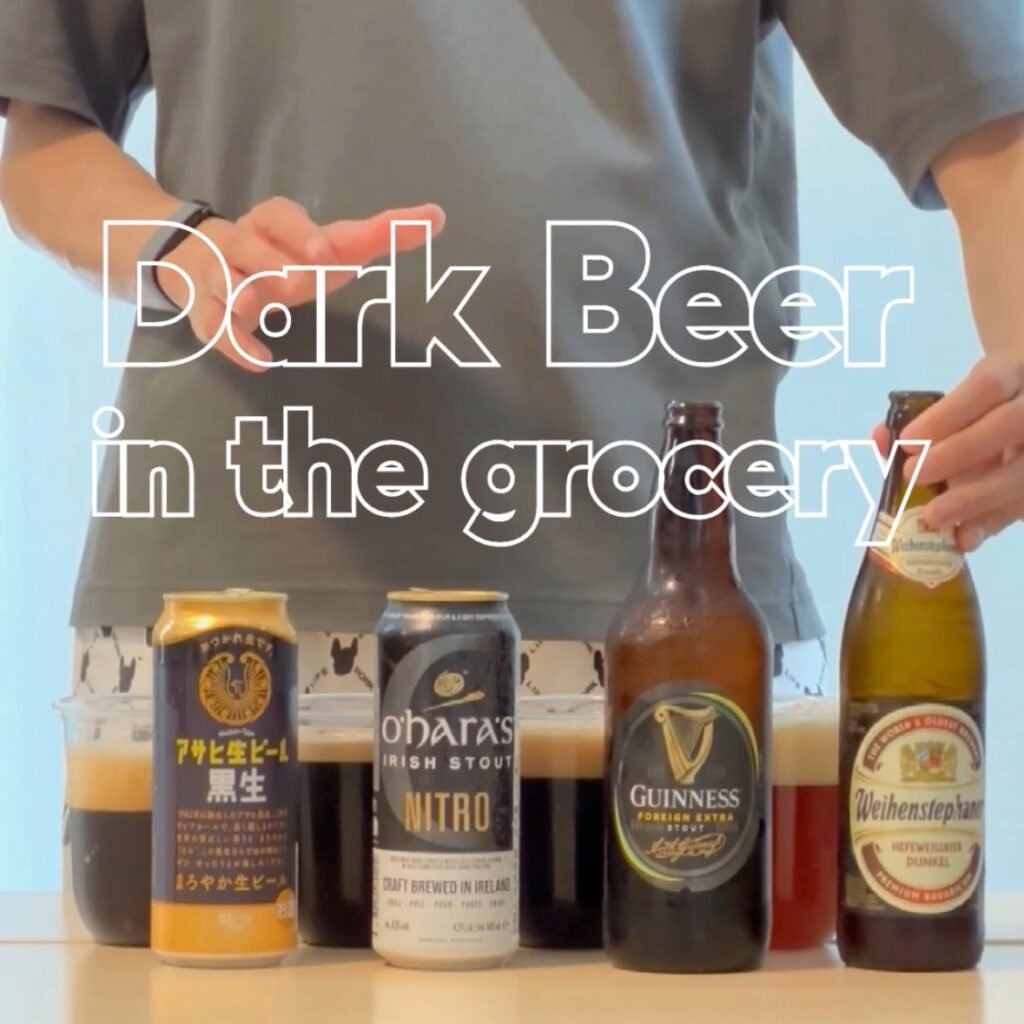
In human society, we seldom formally learn about eating and flavor. We treat taste as an innate gift, believing it is the first thing we understand from the moment we are born and begin eating, tasting different flavors from day one. Just like the general concept of fruitiness, we assume it is a universal language because most of us start eating various fruits from a young age. Consequently, when we talk about “fruitiness” in beer or any other alcoholic beverage, we often assume everyone is on the same page. The truth, however, is that they are not.
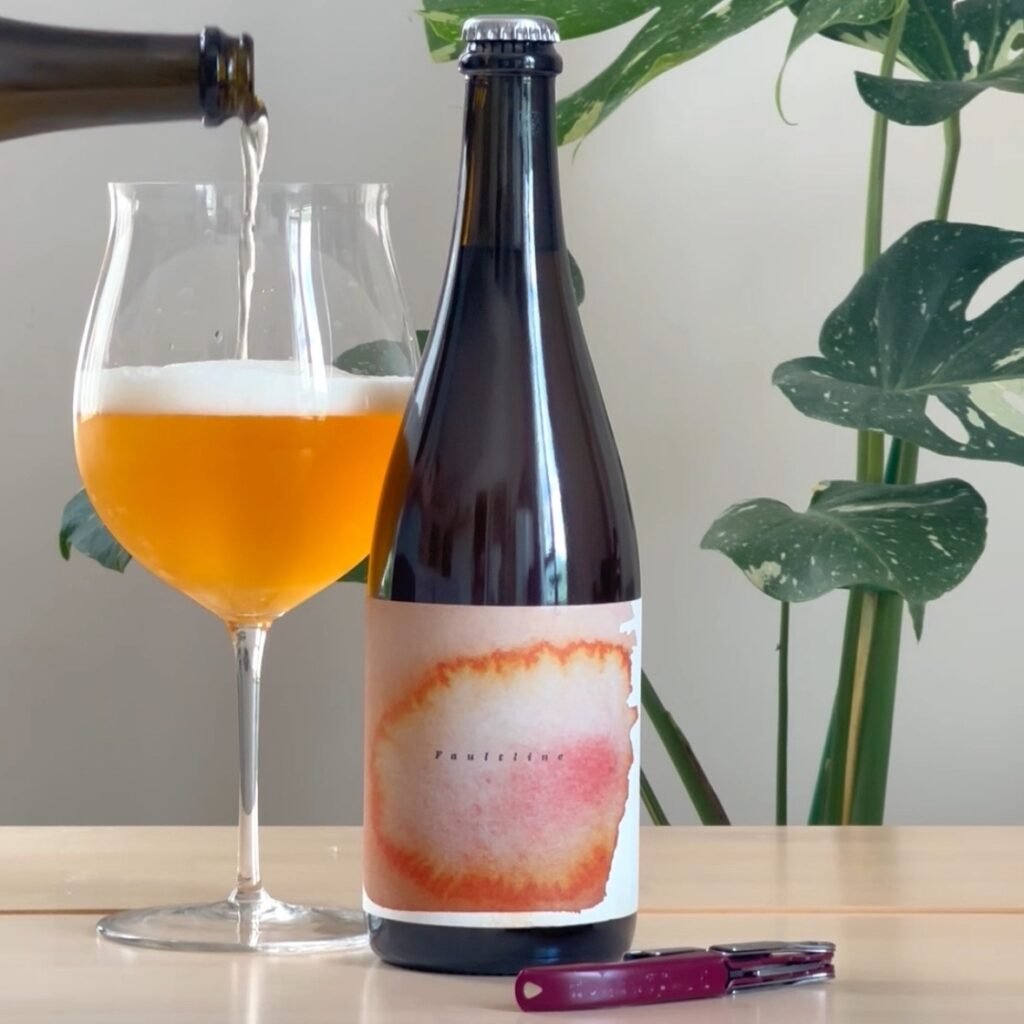
Fruitiness refers to the complex combination of aroma, flavor, and texture associated with fruits. In regions like Asia, we are blessed with an abundant variety of fruits: from citrus fruits like lemons and oranges, to stone fruits like peaches, cherries, and plums, to pomes like apples and pears. Each of these fruits possesses a unique aromatic and flavor identity.
What gives each fruit its distinct personality? What makes a fruit taste and smell exactly like itself is not a single chemical, but an intricate “chemical fingerprint” made up of dozens of volatile compounds, molecules that easily evaporate into the air for us to smell. While fruits share a common baseline of sugars (fructose and glucose) and organic acids (such as the malic acid in apples or the citric acid in lemons), their unique characters come down to specific aromatic families: esters, terpenes, aldehydes, and furans.
Esters are the absolute heavyweights of fruit flavor, created when a plant combines an alcohol with an organic acid to produce intensely sweet, floral, and fruity aromas. Among these, isoamyl acetate is so dominant that it gives bananas their unmistakable signature scent, which is why it is the exact chemical synthesized to flavor artificial banana candy. Meanwhile, ethyl butyrate provides a bright, tropical, juicy top note that pairs with allyl hexanoate in pineapples to create a deep, sharp tropical sweetness. Similarly, methyl butyrate works alongside the grass-scented aldehyde known as hexanal to give crisp green apples their refreshing aroma.
Shifting away from these sweet notes, terpenes are hydrocarbon chains that dominate the peels and skins of fruits with fresh, woody, or zesty scents. Limonene accounts for up to 95% of the essential oil found in citrus rinds, creating that sharp explosion of aroma when you squeeze an orange, lemon, or grapefruit peel. On the tropical side, myrcene gives mangoes a deep, slightly earthy, and resinous undertone, providing their distinct, herbaceous complexity.
Adding further depth to this sensory spectrum are aldehydes and lactones, which contribute creamy and green notes. Benzaldehyde provides the distinct, slightly woody, sweet aroma noticeable in stone fruits like peaches and cherries, as well as in almond pits. In contrast, gamma-undecalactone delivers the velvety, warm, milky-sweet scent that makes a peach smell perfectly soft and ripe. Strawberries are even more complex; they blend specific aldehydes, like aldehyde C-12, with various esters to capture their sweet, slightly green, summer-berry character out of a pool of over 350 volatile molecules.
Sulfur compounds, such as furaneol and thiols, act as pungent multipliers. In the world of aroma, sometimes a tiny drop of a highly potent chemical is required to make a fruit profile taste realistic to our brains. Grapefruit gets its sulfurous, bittersweet punch from grapefruit mercaptan, a compound that smells amazingly fresh in microscopic amounts but resembles a skunk in large quantities. Passion fruit relies on similar thiols to create its intensely exotic, sharp tropical aroma.
Beer lovers have likely experienced this illusion of fruitiness before. When you taste a beer that bursts with notes of juicy mango, bright citrus, or ripe banana without any actual fruit added, you are experiencing the harmonious results of yeast fermentation, hop essential oils, and a chemical process called biotransformation.
During fermentation, yeast creates different esters by joining organic acids with alcohols, mimicking the exact flavor molecules found in nature. For instance, specific German ale yeast strains naturally pump out massive amounts of isoamyl acetate to give German Hefeweizens their prominent banana character. English and Belgian yeasts, on the other hand, produce ethyl hexanoate and ethyl butyrate to establish a deep red-apple or subtle pineapple backdrop, alongside ethyl acetate for a light, pear-like fruitiness.
Beyond the yeast, modern “New World” hop varieties like Citra, Mosaic, and Galaxy are packed with terpenes, the very same aromatic hydrocarbon chains found in fruit peels. These hops introduce limonene and citral to give IPAs their sharp, zesty explosion of orange, lemon, and grapefruit. They also contribute myrcene, which provides the exact same resinous, deep, tropical depth found in a fresh mango.
The ultimate fusion occurs through hop biotransformation, where active yeast releases a specific enzyme called β-lyase during fermentation. This enzyme acts like a pair of chemical scissors, snipping the bonds of odorless, trapped compounds within the hops to release highly volatile sulfur compounds called thiols. Once unlocked, thiols like 3-mercaptohexanol deliver a striking aroma of passion fruit and exotic citrus, while others like 4MMP release punchy profiles reminiscent of black currant and gooseberry. This natural alchemy allows brewers to trick your brain into believing the beer is swimming in fresh tropical fruit juice.
If these chemicals build such a convincing illusion of fruitiness in beer, why can an experienced taster easily identify and name a specific fruit aroma while someone else might find it nearly impossible?
It can be incredibly frustrating to sit next to a friend who is effortlessly rattling off notes of ripe mango, passion fruit, or green apple in a beer while you just taste “beer.” However, you are not imagining things, and your friend is not making it up. This disparity comes down to a hard biological reality: individual sensory thresholds vary wildly from person to person due to genetics, sensory mechanics, and memory architecture.
Humans have around 400 different types of olfactory receptors in their noses that act like landing pads for aroma molecules, but the exact genetic code for these receptors varies heavily between individuals. Because of this genetic lottery, your personal detection threshold, the minimum concentration of a chemical required for you to notice it, can be vastly different from your friend’s. Studies have shown that for certain aroma compounds, individual human detection thresholds can span several orders of magnitude. This means a concentration of the mango terpene, myrcene, that is roaringly obvious to your friend might literally be below your biological baseline to sense.
People also possess different sensitivities depending on whether they are smelling orthonasally, by sniffing the beer directly, or retronasally, which occurs when swallowing forces trapped fruit volatiles up the back of the throat and into the nasal cavity. If your retronasal threshold for sulfur-based tropical thiols is high, your brain will ignore the fruit illusion and prioritize the base tastes on your tongue instead, such as the bitterness of the hops or the sweetness of the malt.
Beyond physical detection, there is a massive difference between sensing a chemical and naming it, a gap known as the recognition threshold. Even if you and your friend receive the exact same signals at the receptor level, your friend has likely built a stronger cognitive bridge to isolate the quiet background static of fruity esters from competing inputs like alcohol warmth or carbonation, mapping those signals directly to real-world memory profiles. Your struggle to identify these flavors comes down to how our brains build, store, and retrieve memories of smell.
When you smell a beer, your olfactory receptors collect the fruity chemical molecules, but your nose itself does not possess the vocabulary to label them. Instead, that raw chemical signal is sent directly to the limbic system, the ancient part of the brain that houses the amygdala and the hippocampus, which are directly responsible for emotion and memory. This unique neural pathway means that every smell we encounter is deeply bound to our personal life experiences. If you have eaten fresh mangoes throughout your life, your brain has built a strong, permanent memory file for “Banana flavor.” However, your brain’s mango file is currently indexed under the context of actual fruit, texture, and tropical humidity.
When you encounter those exact same Banana-mimicking chemicals hidden inside a cold, bitter, carbonated liquid like beer, your brain experiences a contextual mismatch. You are sensing the chemical compound, but because you have never consciously linked that specific sensation within the context of a beer before, your brain’s filing system cannot locate the right label. It simply registers a vague sense of familiarity without a name.
To bridge this gap, Beer sensory education can transforming an accidental, sub-conscious tasting experience into a deliberate, structured learning process.
In a formal sensory training environment, beer lovers are exposed to purified flavor compounds, often using controlled flavor spikes that mimic defects or specific fruity esters, isolated completely from the overwhelming “static” of a finished beer. By tasting and smelling these compounds in isolation while simultaneously learning their names and chemical origins, enthusiasts dramatically lower their cognitive recognition thresholds. This structured education strips away environmental distractions, allowing the brain to focus entirely on building clean, context-specific memory pathways.
Furthermore, sensory training introduces a standardized vocabulary, teaching tasters to dissect a complex beverage into distinct components rather than viewing it as a single, uniform flavor. Ultimately, this formal education gives beer lovers the tools to deliberately index new sensory files in their brains, transforming vague familiarity into sharp, confident recognition the next time they evaluate a beer.