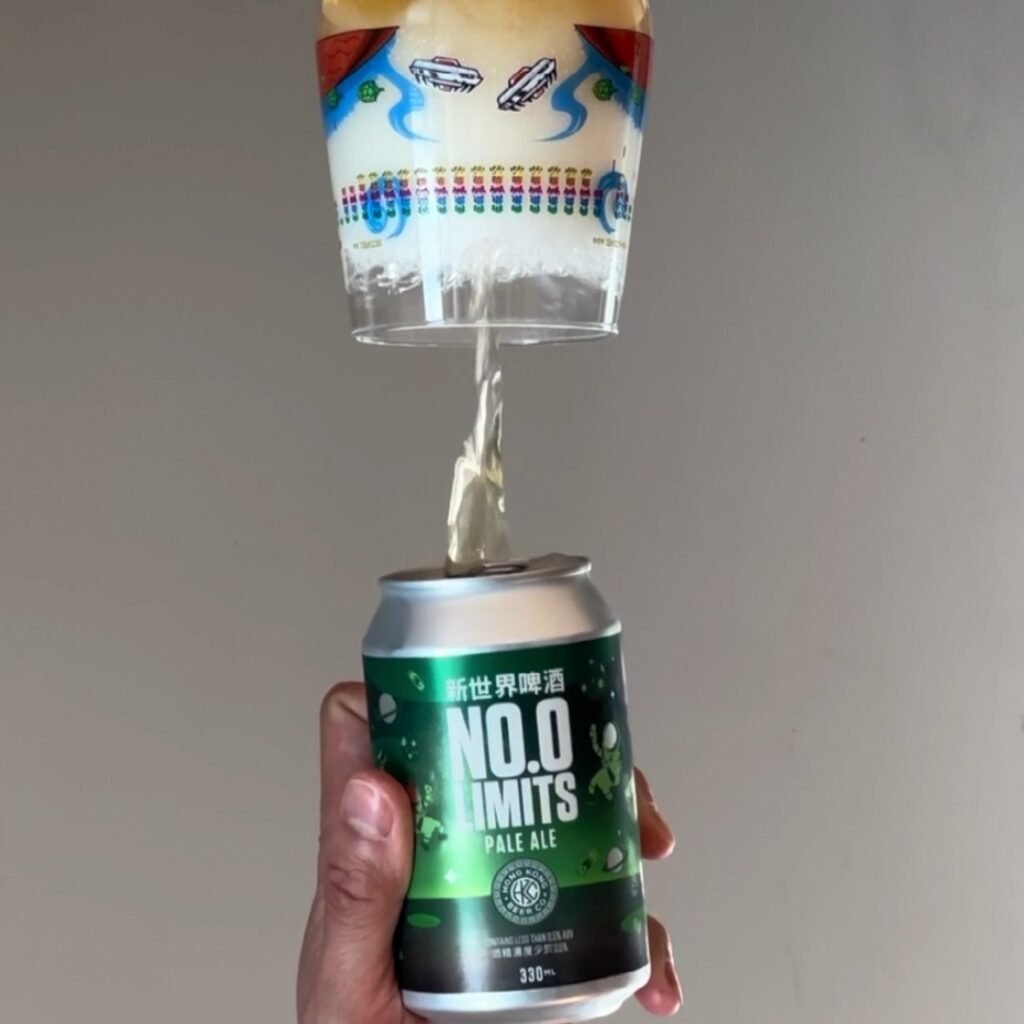
Unlike artificial intelligence, human experience is inherently subjective.
From the moment we are born, we begin forming personal preferences, an instinctive mapping of what we like and dislike. Watch a baby react to food: present them with something unpalatable, and they instantly grimace or cry; give them something they enjoy, and they immediately calm down or smile.
Our food preferences stem from a mix of genetics, culture, and lifestyle.
At their core, however, our primary taste preferences are not matters of conscious choice or spiritual affinity. Instead, they are hardwired survival mechanisms designed for food safety. Throughout human evolution, our DNA was encoded to link specific basic tastes to essential nutrients, while signaling an immediate warning for potential threats and toxins.
Sweetness, naturally associated with energy-dense sources like sugar and honey, fulfills the body’s fundamental fuel needs, making it inherently appealing. Umami signals vital proteins and amino acids, triggering an automatic salivation response upon contact with taste receptors on the tongue. Mild saltiness signals essential electrolytes, which regulate fluid levels inside and outside our cells to maintain proper hydration and blood pressure. Because these minerals are critical to everyday survival, our bodies are naturally hardwired to crave them.
Conversely, we are naturally wired to reject certain basic tastes. Bitterness and intense sourness historically signaled spoilage, strong acids, or poison, explaining why infants react to them with immediate distress. The same applies to sulfur-containing volatile compounds: our sensory thresholds evolved to detect them at mere parts per million (ppm) or parts per billion (ppb), driving us away from potential toxicity.
Beyond basic tastes, our sense of smell rapidly learns to draw us toward bright, fresh aromas, such as the citrus and floral notes of tropical fruits or the clean brine of fresh seafood. While complex smells are not strictly hardwired at birth like sweetness, we develop a strong attraction to them early through flavor-nutrient conditioning, our brains pair these fresh scents with ripe, nutrient-dense foods rich in vital vitamins and energy.
Genetic research shows that our perception of coriander is heavily influenced by variations in olfactory receptor genes, most notably OR6A2. This gene encodes a receptor sensitive to aldehydes, volatile compounds present in coriander. Those with a specific genetic variant perceive these aldehydes as harsh or soapy, whereas others experience them as fresh, citrusy, and herbal.
Conversely, our olfactory system evolved to detect the subtle volatile compounds of spoilage and contamination, functioning as a vital early-warning system that keeps us safe from foodborne hazards.
Similarly, “supertasters” possess a higher density of taste buds on the tongue along with specific bitter taste receptor gene variants, such as TAS2R38. This anatomical and genetic combination significantly heightens their sensitivity to bitter compounds and amplifies their overall sensory experience.
While DNA and evolutionary instincts establish our biological baseline, much of what we actually come to love is shaped by memory, culture, and lived experience. Where we are raised, the communities we engage with, and the personal moments tied to food create deep emotional associations. Over time, these cultural roots and personal memories transform simple sensory inputs into individual preferences and cherished comforts.
This transformation is deeply embedded in human neurology.
Unlike visual or auditory signals, which pass through several cognitive relays before reaching our conscious mind, the sense of smell possesses a direct highway to the limbic system, the brain’s emotional and memory hub. Because flavor is overwhelmingly driven by aroma, a single whiff can bypass rational thought entirely, evoking a vivid memory long before we can even articulate what we are tasting. A specific blend of spices or the steam rising from a familiar broth does not merely stimulate taste receptors; it summons the ghost of a childhood kitchen, the warmth of a holiday gathering, or the quiet solace of a home-cooked meal after a long journey.
This emotional architecture allows human consciousness to achieve something remarkable: the ability to override evolutionary hardwiring. Instinctively, our biology warns us away from bitterness, astringency, and tactile heat, interpreting them as signals of toxicity or tissue irritation. Yet, through social bonding and repeated positive association, we learn to cherish these very sensations. We come to crave the sharp bite of espresso, the stinging thrill of capsaicin, or the pungent depth of aged cheeses and fermented sauces. What begins as a biological alarm is rewritten by culture and curiosity, transforming innate aversion into a sophisticated acquired taste.
The environment in which we grow up constructs the baseline for what feels safe, satisfying, and delicious. The local ingredients of a region, the traditional techniques passed down through generations, and the ritualistic nature of family dining form a sensory vocabulary. A dish that seems bizarre or overwhelming to an outsider can evoke a profound sense of peace in someone who grew up with it, precisely because it is tied to belonging and security.
This intricate web of preferences extends far beyond the physical intake of food; it encompasses the entirety of the multisensory environment in which a meal is experienced. When we gather around a table, we are not merely consuming ingredients. The company we keep, the laughter shared with friends or the comforting presence of a loved one, fundamentally enhances our enjoyment, weaving social joy directly into our perception of flavor.
Furthermore, our brains are constantly gathering subconscious cues from our surroundings to anticipate and construct taste.
The vibrant color of a label or package can set a powerful psychological expectation of sweetness or intensity long before the food is even opened. Even the tactile experience of eating, such as the comforting weight of a ceramic bowl or the specific curve of a glass, can alter how we perceive richness and aroma. All of these external elements, visual, tactile, and social, merge seamlessly with the food itself, creating a holistic experience that dictates our lifelong cravings and preferences.
Few beverages illustrate this complex, environment-driven preference quite like beer.
In ancient civilizations, beer was not a luxury or a pastime, but a fundamental source of life, a form of liquid bread rich in essential carbohydrates, vitamins, and safe hydration when fresh water was often dangerous to drink. Over millennia, as sanitation and nutrition evolved, beer transformed from a biological necessity into a quintessential social ritual. Yet, no human is born with an innate craving for beer. Its inherent bitterness, historically derived from botanical herbs and later from hops, along with carbonation and fermented notes naturally trigger our early evolutionary defenses against potential toxins. Loving beer is almost entirely an acquired taste, carefully cultivated through cultural immersion, peer influence, and the positive social contexts in which it is consumed.
Because our appreciation for beer is built on cultural conditioning, our minds construct rigid mental models, or schemas, of what “beer” ought to be.
When a new profile shatters these expectations, it creates a fascinating psychological divide.
Consider a traditional commercial lager drinker presented with a modern, heavily sweet pastry stout. The experience triggers a cognitive conflict. On one hand, the rich notes of chocolate, vanilla, and roasted sugar tap into comforting dessert associations that the individual may naturally enjoy. On the other hand, the viscous body and intense sweetness deviate so radically from the crisp, golden, bitter profile they associate with beer that their mind may reject it entirely, declaring that it is not beer at all. Flavor acceptance depends heavily on whether a sensory experience aligns with our internal definition of the category.
This reveals a broader truth about sensory perception: our minds rarely judge what we drink with objective neutrality.
Once a subjective verdict is formed, cognitive confirmation bias takes control of our palate. If we approach a beer with a positive mindset, influenced by a glowing reputation, a striking label, or a celebratory atmosphere, our attention selectively focuses on its attractive qualities, celebrating its delicate aromas, balanced maltiness, or refreshing finish. Conversely, if a negative bias is established, the brain actively hunts for defects, magnifying subtle astringency, carbonation, or sweetness into glaring flaws.
This environmental anchoring explains why the exact same beer can taste drastically different depending on where it is consumed.
Sipping a fresh pour in a cozy, vibrant taproom surrounded by warm lighting and good company engages a state of relaxation, prompting the brain to interpret flavor notes far more generously. Take that identical brew and drink it in a cold, fluorescent-lit room or an unfamiliar setting, and the brain strips away those positive emotional buffers, often rendering the beverage uninspiring or overly harsh. The physical atmosphere, ambient noise, and thermal comfort act as constant sensory moderators, continuously tuning how our brain interprets the chemical signals sent by our taste buds and olfactory receptors.
This psychological dynamic becomes particularly complex in professional settings, such as beer competition judging tables and sensory analysis workshops.
To eliminate brand awareness and visual prejudice, industry professionals rely on blind tasting protocols. Yet, blind tasting only removes the label; it cannot eliminate the sensory impact of the immediate environment. The sterile atmosphere of an evaluation hall, the cold glare of task lighting, or the tactile sensation of drinking from a disposable plastic cup rather than proper glassware instantly alters perception. Plastic cups can absorb or mute volatile aromatic compounds, alter the flow rate of the liquid across the tongue, and convey cheap tactile feedback that subconsciously signals lower quality to the brain long before the first sip is taken.
Furthermore, the human element at the judging table introduces subtle social dynamics that blindfolds cannot erase. A furrowed brow from a panel leader, a quiet sigh from an adjacent judge, or the hasty scribbling of scoring notes creates an immediate ripple of non-verbal influence.
Humans are inherently social creatures, and even the most rigorous, highly trained evaluators remain susceptible to sensory anchoring and subtle peer pressure. The unstated expectations established by the room, the serving vessel, and the subtle cues of fellow panelists build a subconscious lens of judgment before the beverage even makes contact with the palate.
This brings us to a fundamental question within sensory science: can a trained panelist ever truly taste something with total, clinical objectivity? While rigorous training successfully equips judges with a standardized vocabulary and a heightened sensitivity to specific chemical off-flavors, it cannot fully detach sensory evaluation from human psychology.
Our perception of flavor is never a purely objective measurement of liquid chemistry; it is an integrated synthesis of biological signals, emotional state, tactile feedback, and environmental context. Ultimately, no matter how refined our skills become, we never taste a beverage in an isolated vacuum, we taste the entire moment in which it is consumed.